
Tinubu extends ban on raw shea nut exports to 2027
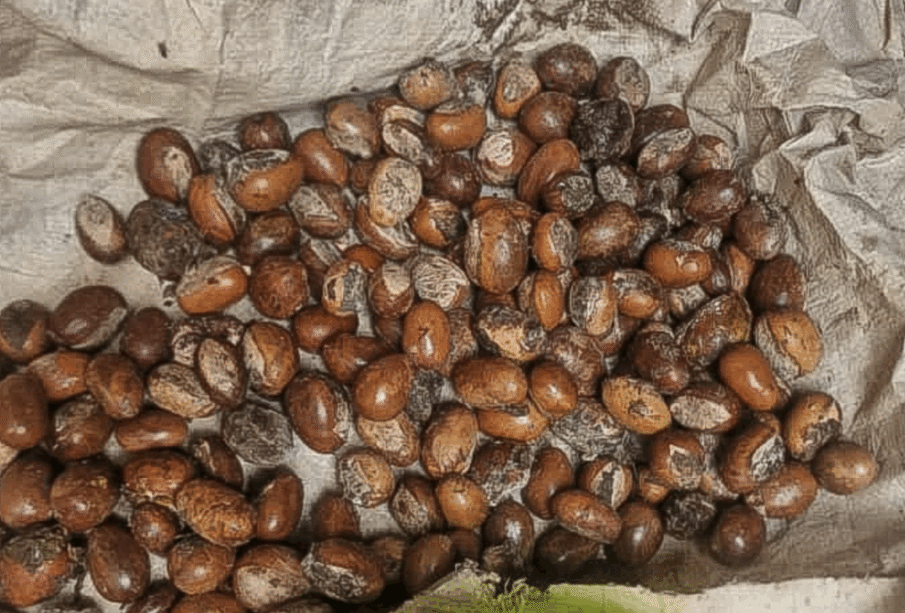
Shea nut
President Bola Tinubu has approved the extension of the ban on the export of raw shea nuts for one year, from February 26, 2026, to February 25, 2027.
The presidency announced the decision in a statement on Wednesday.
The extension comes a few hours to the expiration of the six-month ban, which came into effect on August 26, 2025.
Bayo Onanuga, special adviser to the president on information and strategy, said the move underscores the administration’s commitment to advancing industrial development, strengthening domestic value addition, and supporting the objectives of the ‘Renewed Hope’ Agenda.
“The ban aims to deepen processing capacity within Nigeria, enhance livelihoods in shea-producing communities, and promote the growth of Nigerian exports anchored on value-added products,” the statement reads.
“To further these objectives, President Tinubu has authorised the two Ministers of the Federal Ministry of Industry, Trade and Investment, and the Presidential Food Security Coordination Unit (PFSCU), to coordinate the implementation of a unified, evidence-based national framework that aligns industrialisation, trade, and investment priorities across the shea nut value chain.”
Onanuga said Tinubu approved the adoption of an export framework established by the Nigerian Commodity Exchange (NCX) and the withdrawal of all waivers allowing the direct export of raw shea nuts.
He said the president also directed that any excess supply of raw shea nuts should be exported exclusively through the NCX framework, in accordance with the approved guidelines.
“Additionally, he directed the Federal Ministry of Finance to provide access to a dedicated NESS Support Window to enable the Federal Ministry of Industry, Trade and Investment to pilot a Livelihood Finance Mechanism to strengthen production and processing capacity,” Onanuga said.
He said the federal government remains committed to policies that promote inclusive growth, local manufacturing, and position Nigeria as a competitive participant in global agricultural value chains.
The federal government recently assured stakeholders in the shea value chain that it would review the export ban, citing concerns over its impact on local producers, exporters, and foreign exchange (FX) earnings.


Leave a reply


The Editorial is a Platform for factual and precise news updates. Available to the readers 24/7 globally