
Tertiary Education: Credit in Mathematics no longer required for Arts students, says FG
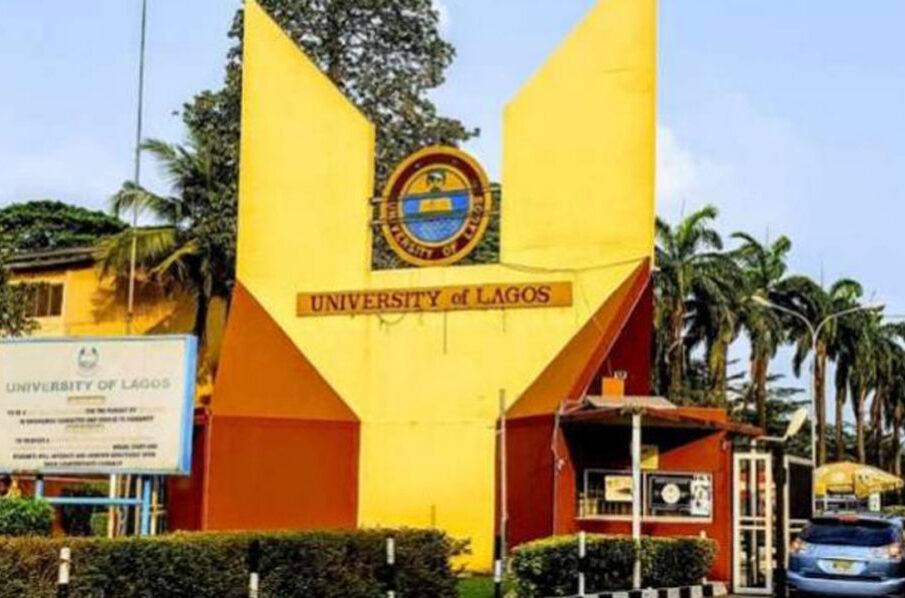
UNILAG
The Federal Government has announced that credit in Mathematics will no longer be a mandatory requirement for students seeking admission into universities and polytechnics to study Arts and Humanities courses.
A statement by the spokesperson of the Ministry of Education, Mrs. Folasade Boriowo, pointed out this on Tuesday.
For decades, admission seekers across disciplines including Arts and Humanities were required to obtain five credits, including English Language and Mathematics, in their Senior School Certificate Examination (SSCE) to qualify for tertiary education.
But according to the Ministry on Tuesday, the newly approved National Guidelines for Entry Requirements into Nigerian Tertiary Institutions are designed to eliminate outdated barriers while maintaining academic standards.
“The revised guidelines remove unnecessary obstacles to tertiary education while ensuring that learning outcomes and quality remain intact,” the statement read in part.
Under the new framework, universities candidates must have five credit passes in relevant subjects, including English Language, in not more than two sittings. Mathematics remains compulsory for Science, Technology, and Social Science courses.
For polytechnics (ND Level), a minimum of four credit passes in relevant subjects, including English Language for non-science courses and Mathematics for science-related programmes.
At the HND level in polytechnics, five credits in relevant subjects, including both English Language and Mathematics.
“Colleges of Education (NCE Level): Minimum of four credits in relevant subjects, with English mandatory for Arts and Social Sciences, and Mathematics required for Science, Vocational, and Technical programs,’ the statement added.
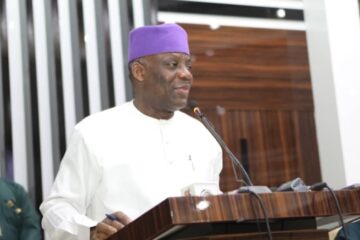
The Minister of Education, Dr. Tunji Alausa, described the reform as a “deliberate and strategic effort to expand access to tertiary education and promote inclusivity.”
He stressed that the change aligns with Nigeria’s commitment to global best practices in education policy and aims to give equal opportunity to qualified students pursuing non-science fields.



Leave a reply


The Editorial is a Platform for factual and precise news updates. Available to the readers 24/7 globally