
UNILAG, UK varsity sign MoU to run degree programme in Nigeria
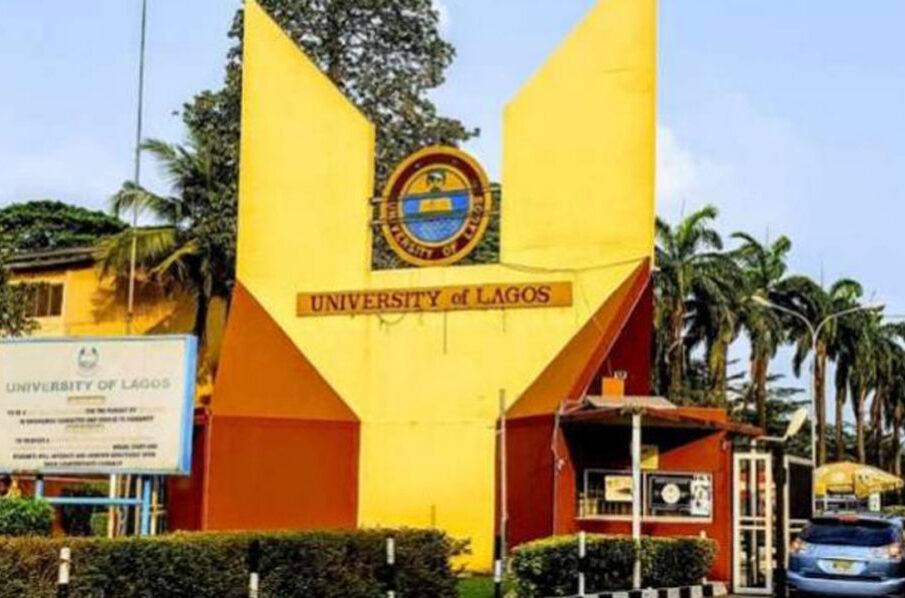
UNILAG
The University of Lagos (UNILAG) and the University of Birmingham in the United Kingdom (UK) have signed a memorandum of understanding (MoU) to run a degree programme in Nigeria.
The agreement was signed at the UNILAG campus auditorium on Thursday.
The signing was witnessed by representatives of the University of Birmingham, the British High Commission in Lagos, officials of the National University Commission, and the Tertiary Education Trust Fund (TETFund).
Nick Vaughan-Williams, the provost and vice-principal of the University of Birmingham, described the agreement as a commitment of two great institutions “to make students benefit from the UK varsity in Lagos”.
The vice-principal said further collaboration between Nigeria and the UK “must be rooted in quality, academic integrity and mutual benefit”.
He said the partnership must align with Nigeria’s national priorities, regulatory frameworks and ambitions for the higher education system.
Vaughn-Williams added that the partnership reflects “our wider commitment to global engagement that is thought to build capacity, to share knowledge and to contribute to long-term social and economic development”.
The provost added that the learning process will include academic provision, student experience, governance, infrastructure, regulatory requirements and financial sustainability.
“It commits our two great institutions, the University of Birmingham and the University of Lagos, to work together in a structured, evidence-led way to explore how we might work together to enable students to benefit from both a Unilag and University of Birmingham education right here in Lagos,” he said.
“Any future collaboration between us must be rooted in quality, academic integrity and mutual benefit. It must align with Nigeria’s national priorities, regulatory frameworks, and ambitions for the higher education system, and, crucially, it must strengthen the standing of both our institutions and our nations.”
On his part, Jonny Baxter, deputy British commissioner, said the partnership is a practical solution to bring world-class UK education to Nigeria and expand access to high-quality UK degrees locally.
Baxter said students will also benefit from learning about artificial intelligence (AI) and data science to support economic growth.
“We are all aware that Nigeria’s higher education sector faces significant capacity challenges, with over 1.3 million qualified students unable to secure admission,” he said.
“And we feel that partnerships like this are a practical solution, intending to bring world-class UK education to Nigeria and expand access to high-quality UK degrees locally.
“Artificial intelligence and data science, one of the focuses of this partnership, are critical to the future of work and economic growth.”
Hadiza Ismaila, director of academic staff training and development at UNILAG, said the MoU exemplifies a shared commitment to advancing research collaboration, postgraduate training, and global academic engagement.
Tunji Alausa, minister of education, said the federal government, through its transnational education policy, aims to boost access to tertiary education, ease placement pressures, and foster the global exchange of ideas and research.
Alausa said the MoU reflects the policy’s objective of attracting foreign investment and funding to the government and institutions, driving growth and development in the Nigerian education sector.
He said the collaboration will drive innovation, research, and skill development, adding that the government is “creating an ecosystem that fosters critical thinking, creativity, and entrepreneurship, empowering graduates for global competition”.



Leave a reply


The Editorial is a Platform for factual and precise news updates. Available to the readers 24/7 globally