
Division as Atiku, Obi, Kwakwanso camps insist on presidency for their principals

The presidential ticket of the African Democratic Congress (ADC) has sharply divided the party, as supporters of leading aspirants intensify strategies to remain ahead.
The unfolding drama comes amid unresolved leadership disputes that have left the party without formal recognition from the Independent National Electoral Commission (INEC), raising concerns about the legitimacy of its internal processes.
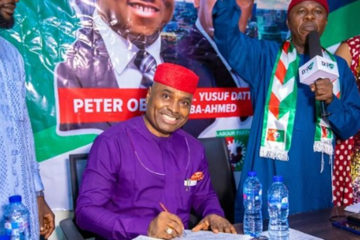
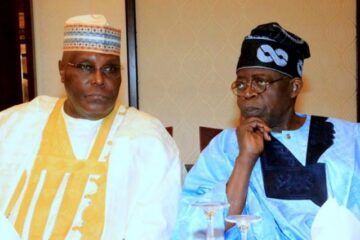
At the centre of the crisis are three prominent political figures—Atiku Abubakar, Peter Obi, and Rabiu Kwankwaso—all believed to be eyeing the party’s presidential ticket for the 2027 general election.
The trio, who recently defected from different political platforms, have become rallying points for competing interests within the ADC.
Tensions escalated further following a proposal from Atiku’s camp advocating a joint ticket with Obi. The suggestion, championed by media personality and politician Dele Momodu, was based on their previous alliance in the 2019 elections.
However, the proposal has been firmly rejected by Obi’s supporters, who insist that the party’s presidential ticket should be zoned to the South.
Within the party, there is also a growing perception that Atiku, owing to his extensive political experience, could have an advantage in a competitive primary. This has heightened concerns among Obi’s supporters, who believe zoning the ticket would ensure an advantage for their man.
Kwakwanso, who many had believed, will agree to be Obi’s deputy, has been ruled out of VP slot by his supporters who are saying it’s president or nothing.
Obi reiterated his opposition to what he described as “transactional” primaries, warning that he would not participate in any process lacking transparency and fairness.
However, the ADC National Publicity Secretary, Bolaji Abdullahi, said all aspirants would be given equal opportunity.
He said, “The party remains committed to conducting a credible and transparent primary process despite its ongoing internal challenges.”


Leave a reply


The Editorial is a Platform for factual and precise news updates. Available to the readers 24/7 globally